Watch This Episode
Listen
Insight Custom Headline Pulled Derived From the Show Notes
What does it take to build a behavioral health program the right way from the ground up?
In this episode of Tim Talks: Behavioral Health, Timothy Zercher sits down with Anthony Netkovick, Director of Behavioral Health at OneWell Health Care, to discuss the realities of launching and scaling an ABA program while staying committed to person-centered care.
The conversation also explores one of behavioral health’s biggest challenges – recruiting and retaining quality professionals—and the role marketing plays in attracting both talented clinicians and the families who need support.
Whether you’re leading an ABA organization, growing a behavioral health practice, or passionate about ethical, sustainable care, this episode offers practical insights on building programs that put people first.
Why focusing on small wins leads to long-term success
Anthony Netkovick describes himself as a “big picture person” — someone naturally inclined to focus on long-term goals. But building OneWell’s ABA program from scratch forced a mindset shift: real, responsible growth isn’t an overnight project, and the outcomes leaders envision can take months or years to reach if done the right way. Instead of measuring progress against the distant end goal, Netkovick has learned to anchor himself in the small wins — getting to know each family and staff member as the program grows — which keeps the work sustainable and prevents burnout on the road to a bigger vision.
How to build an ABA program with a strong culture from day one
When Netkovick was given the opportunity to launch OneWell’s ABA program from the ground up, he made relationship-building with the earliest families and staff a top priority — not just service delivery. That early emphasis on connection was designed to preserve a “small program feel” even as the program scales and eventually expands into new states. Rather than treating culture as something to formalize later, Netkovick built it in at the foundation — a lesson in building an ABA program from scratch that treats those first relationships as the standard the program would continue to be measured against.
What person-centered care looks like as organizations scale
For Netkovick, person-centered care means making services accessible to anybody, regardless of insurance type or where they live in the state — a value he found already embedded in OneWell’s leadership before he arrived. He credits an early mentor’s advice: that being truly effective in human services means being willing to do whatever it takes for clients and families, even outside standard business hours. As OneWell grows, Netkovick’s goal is to keep that same willingness to go further intact, rather than letting it erode as the organization scales and formalizes.
How strategic marketing helps attract both clinicians and families
OneWell’s marketing approach serves two audiences at once: hiring content aimed at prospective staff, and educational content that introduces families to ABA, person-centered care, and what makes the program distinct. Because OneWell built its reputation primarily in the IDD space, Netkovick notes that awareness of its ABA services required deliberate effort to build — ABA can feel like a niche field even within an organization already known for related services. By prioritizing quality over volume and giving the marketing team real support internally, OneWell has been able to steadily build recognition in Connecticut, a foundation Netkovick expects will carry over as the program expands into new states.
About Our Guest: Anthony Netkovick
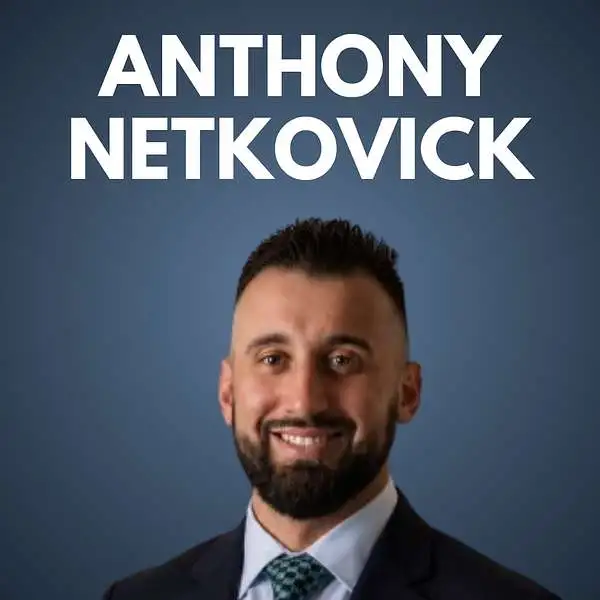
Anthony Netkovick is the Director of Behavioral Health at OneWell Health Care, where he leads the growth and expansion of the organization’s ABA services. With a background in special education, behavioral health leadership, and healthcare administration, Anthony is passionate about building ethical, person-centered programs that improve outcomes for individuals and families while fostering strong clinical teams.
Visit the OneWell website to learn more about their mission.
Episode FAQ
What does it take to build an ABA program from scratch?
According to Anthony Netkovick, building an ABA program from scratch requires patience and a shift away from big-picture thinking toward small, consistent wins. Real, responsible growth isn’t an overnight process — the outcomes leaders envision can take months or years to reach if done the right way, so staying anchored in day-to-day progress with families and staff is essential.
How do you build a strong culture when launching a new ABA program?
Netkovick prioritized relationship-building with the earliest families and staff from day one, rather than treating culture as something to formalize later. That early investment was designed to preserve a “small program feel” even as the program scales, using those first relationships as the ongoing standard for how the program operates.
What does person-centered care mean in an ABA setting?
Person-centered care means making services accessible to families regardless of insurance type or location, and being willing to go beyond standard business hours when clients need support. Netkovick credits this philosophy to an early mentor who taught him that truly effective work in human services means doing whatever it takes for the people you serve.
How can ABA providers use marketing to attract both clients and talent?
OneWell uses a dual-content marketing strategy: hiring-focused content to attract prospective clinicians, and educational content to introduce families to ABA and what makes the program’s approach distinct. Because ABA can feel niche even within organizations already known for related services (like IDD), consistent, quality content has been key to building visibility in a competitive market.
Episode Transcript
View the full transcript
Your content goes here. Edit or remove this text inline or in the module Content settings. You can also style every aspect of this content in the module Design settings and even apply custom CSS to this text in the module Advanced settings.