

Serving Providers Statewide
Behavioral Health Marketing in Arizona
Trusted by Leading Behavioral Health & Medical Brands


Arizona's Behavioral Health Landscape
Arizona delivers behavioral health through integrated plans, a tribal pathway, and specialty arrangements for children in state care and people with developmental disabilities.
AHCCCS Complete Care integrates medical and behavioral health services through six health plans: Arizona Complete Health, Banner University Family Care, Molina Healthcare, Mercy Care, Blue Cross Blue Shield of Arizona Health Choice, and UnitedHealthcare Community Plan. Arizona Complete Health and Mercy Care hold the state's Regional Behavioral Health Agreements, and American Indian Health Program members are covered fee for service.
Mercy Care's DCS Comprehensive Health Plan covers children in Department of Child Safety out-of-home care, and Arizona Long Term Care System coverage runs through three plans and the Department of Economic Security's Division of Developmental Disabilities.
Arizona also treats patient brokering as a felony. A.R.S. 13-3730 prohibits paying or receiving anything of value for referrals to or from sober living homes or substance use treatment facilities, and a 2026 amendment expanded the law. Under the One Arizona agreement, opioid settlement money splits 44 percent state and 56 percent local. SAMHSA's 2023 survey reported 3 treatment facilities classified as CCBHCs in Arizona, and suicide ranked as the 9th leading cause of death in 2024.
For a provider, each of those pathways sends different people for different services, across mental health, substance use, ABA and autism, and IDD care.
Sources: AHCCCS; Arizona Revised Statutes 13-3730; NASHP state opioid settlement tracker, 2025; SAMHSA N-SUMHSS 2023; CDC NCHS state profile, 2024.
Arizona Behavioral Health Marketing Snapshot
Market structure
- Medicaid program: AHCCCS (Public, AHCCCS)
- Medicaid delivery model: AHCCCS Complete Care, integrating medical and behavioral health through six plans (Public, AHCCCS)
- Regional Behavioral Health Agreement plans: Arizona Complete Health, Mercy Care (Public, AHCCCS)
- Specialty coverage: DCS Comprehensive Health Plan for children in out-of-home care; ALTCS including the Division of Developmental Disabilities (Public, AHCCCS)
- Tribal pathway: American Indian Health Program, fee for service (Public, AHCCCS)
- Patient brokering law: Felony under A.R.S. 13-3730, expanded in 2026 (Public, Arizona Legislature)
- CCBHC-classified facilities: 3 in SAMHSA's 2023 survey, self-reported (Public, SAMHSA N-SUMHSS 2023)
- Suicide rank: 9th leading cause of death, 2024 (Public, CDC NCHS)
- Opioid settlement split: 44% state, 56% local under One Arizona (Public, NASHP 2025)
Market economics
- Substance use search demand, Phoenix: 480 searches a month, difficulty 58 (Public, Semrush, September 2026)
- ABA search demand, Phoenix: 590 searches a month, difficulty 26 (Public, Semrush, September 2026)
How Arizona compares
- Report tier: 1 of 5 on our editorial scale (Modeled, method)
- Cost per lead, substance use disorder: $78 to $105 (Modeled, method)
- Cost per lead, mental health: $31 to $41 (Modeled, method)
- Cost per lead, ABA and autism services: $41 to $55 (Modeled, method)
- Metro median keyword difficulty, all 51 markets: 49 substance use, 18 ABA (Public, A-Train benchmark report from Semrush, 2026)
Modeled rows use A-Train's national observed cost per lead adjusted by an editorial state tier. They are planning estimates, not measured Arizona results; see the method and its limits.
Tim Zercher's Take on Arizona

Jeremy Schall told me on our podcast that he came into this field as a defendant and a patient. That story explains Arizona better than any chart. Here, probation teams, plan care coordinators, child welfare staff, and case managers decide where a large share of people go, and consumer advertising sits downstream of those relationships.
Arizona routes care through six integrated plans, two Regional Behavioral Health Agreement plans, a child welfare plan, the developmental disability system, and tribal coverage. If my budget were small, I would build materials, meetings, and follow-up for those referral partners before spending on consumer reach.
Phoenix search is worth doing, but it is not quick. The substance use term sits at difficulty 58, above the metro median of 49. And because Arizona prosecutes patient brokering as a felony, I would want counsel to look at any paid referral arrangement before it starts.
Basis for this assessment: conversations with Arizona providers and leaders and Tim Talks: Behavioral Health interviews with Arizona operators. No measured Arizona results are claimed.
Voices from Arizona Behavioral Health
Tim Talks: Behavioral Health
A fast-paced podcast featuring candid, 10-minute conversations with leaders across the behavioral health field.
Two Tim Talks guests speak to Arizona from different sides of the same system: the justice partnerships that drive referrals, and the marketing that opens the patient journey.
Jeremy Schall, CEO, Scottsdale Behavioral Health
Jeremy Schall is CEO of Scottsdale Behavioral Health in Arizona. His path into behavioral health includes lived experience as a patient and involvement with the justice system, informing his emphasis on connection and person-centered leadership. He brings a local perspective to community partnerships, behavioral health outreach and the relationships among treatment providers, probation teams and other organizations supporting people in the community.
On the episode he talks about connection and lived experience in recovery, young people moving into adult probation, and the Arizona corrections and probation partnerships his organization's work depends on.
In this episode: 03:02 connection and lived experience in recovery, 05:00 youth transitioning into adult probation, 09:05 Arizona corrections and probation partnerships.
"I entered this space as a defendant and a patient."
Jeremy Schall, CEO, Scottsdale Behavioral Health, on Tim Talks: Behavioral Health
Listen to Jeremy Schall on Tim Talks: Behavioral Health
Amber Vaughan, Chief Marketing Officer, Cornerstone Healing Center
Amber Vaughan is Chief Marketing Officer of Cornerstone Healing Center. She brings a behavioral health marketing perspective to ethical outreach, service quality and helping people identify an appropriate fit for care, and she connects Cornerstone's reputation in Phoenix with its community presence.
On the episode she describes staffing and cultural fit as the real limits on growth, and argues that the first marketing interaction is already part of the patient experience, so the message has to match the care.
In this episode: 00:08 Phoenix community and reputation, 02:36 staffing during growth, 07:32 marketing as patient experience.
Listen to Amber Vaughan on Tim Talks: Behavioral Health
Put together, the two conversations echo the data: in Arizona, referrals move through relationships, and the first contact sets the terms for everything after.
Mr. Schall's quote is verbatim from the published transcript. Neither guest is an A-Train client, and neither speaks for Arizona's market as a whole.
What This Means for Behavioral Health Providers in Arizona
Market to referral partners before consumers
Arizona routes care through six integrated AHCCCS plans, two Regional Behavioral Health Agreement plans, a child welfare health plan, the developmental disability system, and tribal fee for service coverage. Build materials and follow-up for care coordinators, case managers, and justice partners. Consumer advertising works better once those relationships exist.
From: AHCCCS delivery model, RBHA plans, DCS and ALTCS specialty coverage.
Patient brokering is a felony here
A.R.S. 13-3730 makes paying or receiving anything of value for referrals to or from sober living homes and substance use treatment facilities a felony, and a 2026 amendment widened it. Review every referral, lead, and partnership arrangement before it starts, and have counsel examine any payment that could vary with the number of people referred.
From: A.R.S. 13-3730 and its 2026 amendment.
Phoenix search rewards patience
The Phoenix substance use term sits at difficulty 58 with 480 monthly searches, above the metro median of 49, while the ABA term sits at 26 with 590 searches. Neither is a quick organic win. Plan on movement by month three and material results by month six, and use paid search, within platform policies, to carry early demand.
From: Semrush metro data; benchmark report metro medians and SEO ramp.
Our Behavioral Healthcare Marketing Services



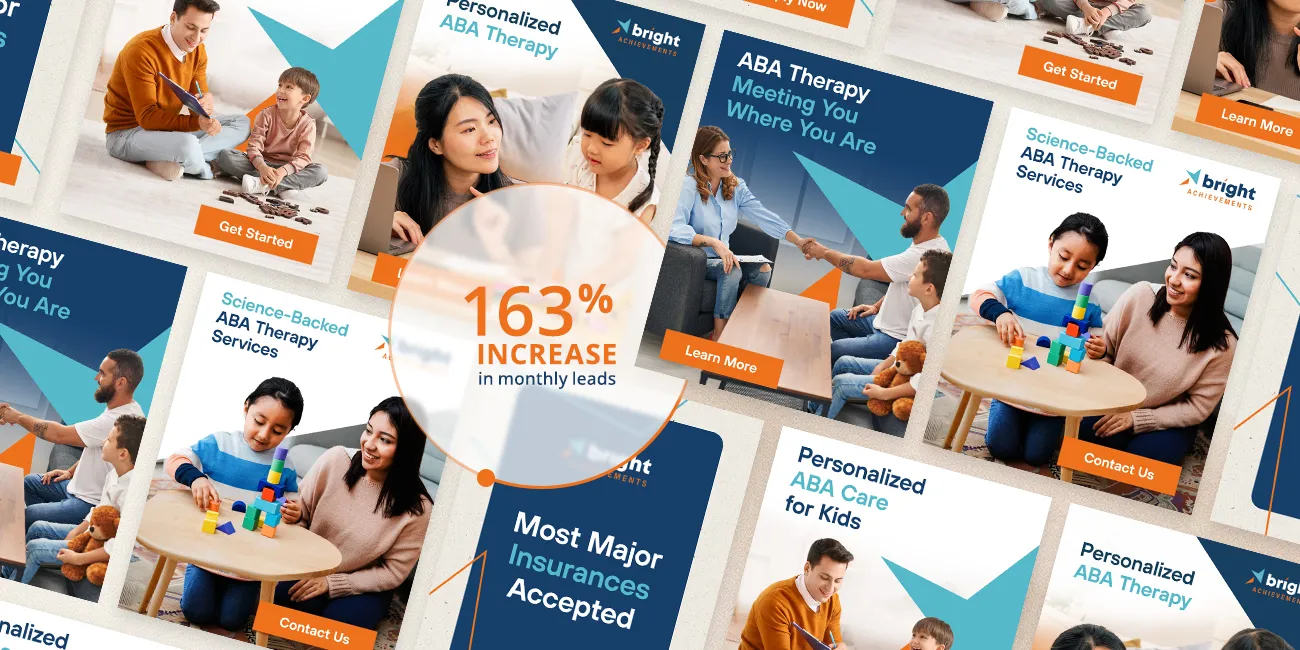



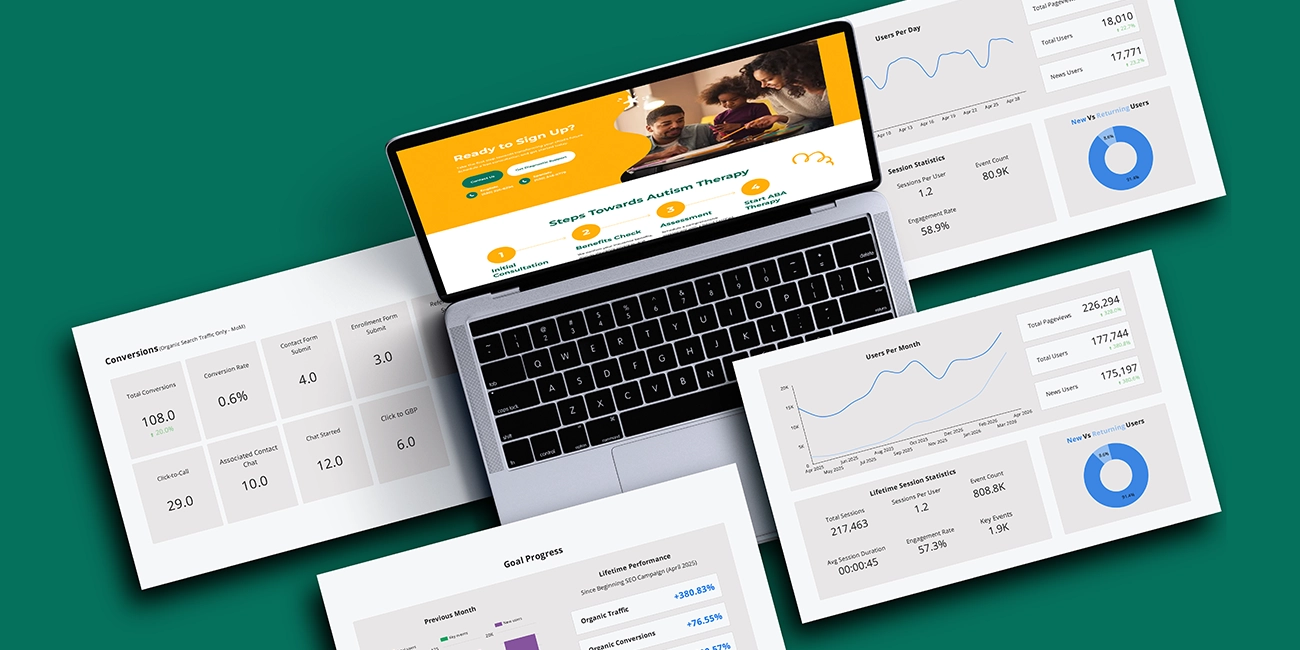


The Benefits of Working With a Specialist Healthcare Marketing Agency:
The Problem
Generalist Agency

Our Approach
A-Train Marketing

Relevant A-Train Proof and Services
Closest published work
We do not publish Arizona results. For substance use treatment, our MedMark Treatment Centers SEO work grew organic conversions 92 percent, and for community behavioral health, North Range Behavioral Health cut cost per conversion 63 percent.
Referral partner and workforce marketing
Arizona's referral-heavy system rewards partner outreach and staffing. Our North Range recruitment campaign reached more than 388,000 professionals for a mental health organization's workforce.
Paid and organic timing
Paid search in our cohort cut cost per acquisition roughly 60 percent from month one to month two. Services matched to Arizona: campaigns, digital marketing, and recovery and addiction treatment marketing.
Arizona Behavioral Health Marketing, Answered
How does AHCCCS change behavioral health marketing in Arizona?
AHCCCS Complete Care integrates medical and behavioral health services through six health plans, two of which also hold Regional Behavioral Health Agreements. Children in Department of Child Safety out-of-home care are covered through a dedicated plan, people with developmental disabilities are served through the Arizona Long Term Care System and the Division of Developmental Disabilities, and American Indian Health Program members are covered fee for service. Each pathway has its own referral relationships, and plan availability varies by county.
What referral and advertising laws apply in Arizona?
A.R.S. 13-3730 makes it a felony to pay or receive anything of value for referring patients to or from sober living homes or substance use treatment facilities, with the felony class set by the amount involved, and a 2026 amendment expanded the law. Two federal requirements also apply. The Eliminating Kickbacks in Recovery Act (18 U.S.C. 220) covers all payers and excludes compensation that varies with referral volume or amounts billed, and LegitScript certification is required for addiction treatment advertising on Google, Meta, Microsoft, and Nextdoor. This is a summary, not legal advice. Confirm current requirements with counsel.
What timeline should an Arizona organization plan for?
Paid search moves first. In our cohort, cost per acquisition fell from about $92 in month one to about $37 in month two, a roughly 60 percent drop as targeting tightened, though that sample is small. Organic search is slower, with movement around month three and material gains around month six. Referral partner relationships, which drive much of Arizona's volume, run on their own timeline of meetings and follow-up.
What cost per lead should an Arizona organization plan around?
Our modeled planning ranges for Arizona are $78 to $105 for substance use disorder, $31 to $41 for mental health, and $41 to $55 for ABA and autism services. They come from A-Train's national observed cost per lead adjusted by Arizona's tier 1 placement on our report scale, which is a judgment, not a measurement. Use them to size a first test, not as a forecast.
Does A-Train work with Arizona organizations?
We work with behavioral health organizations nationally from Colorado, across mental health, substance use disorder, ABA and autism services, and IDD services. We do not publish Arizona results, so everything on this page is either a national observed result or a modeled estimate, labeled as such.



Schedule a FREE 30-Min Discovery Meeting

Matt Harrington, BCBA, LBA
Growth Strategist